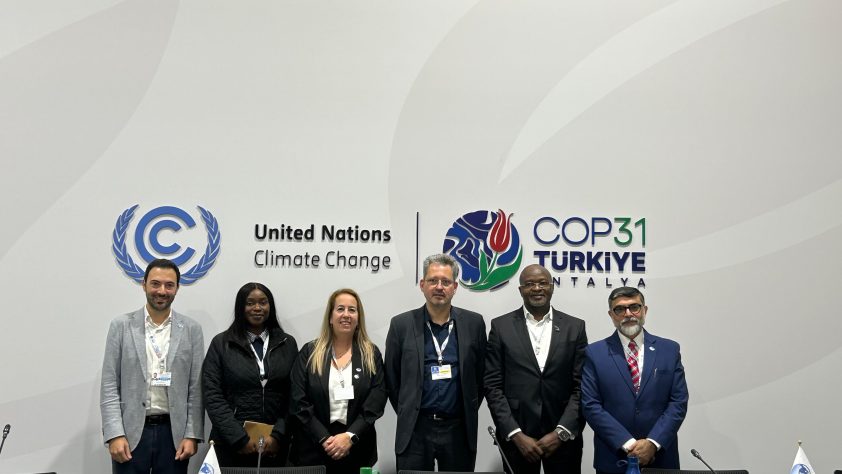
WUSME at COP31: Side Event and Exhibit
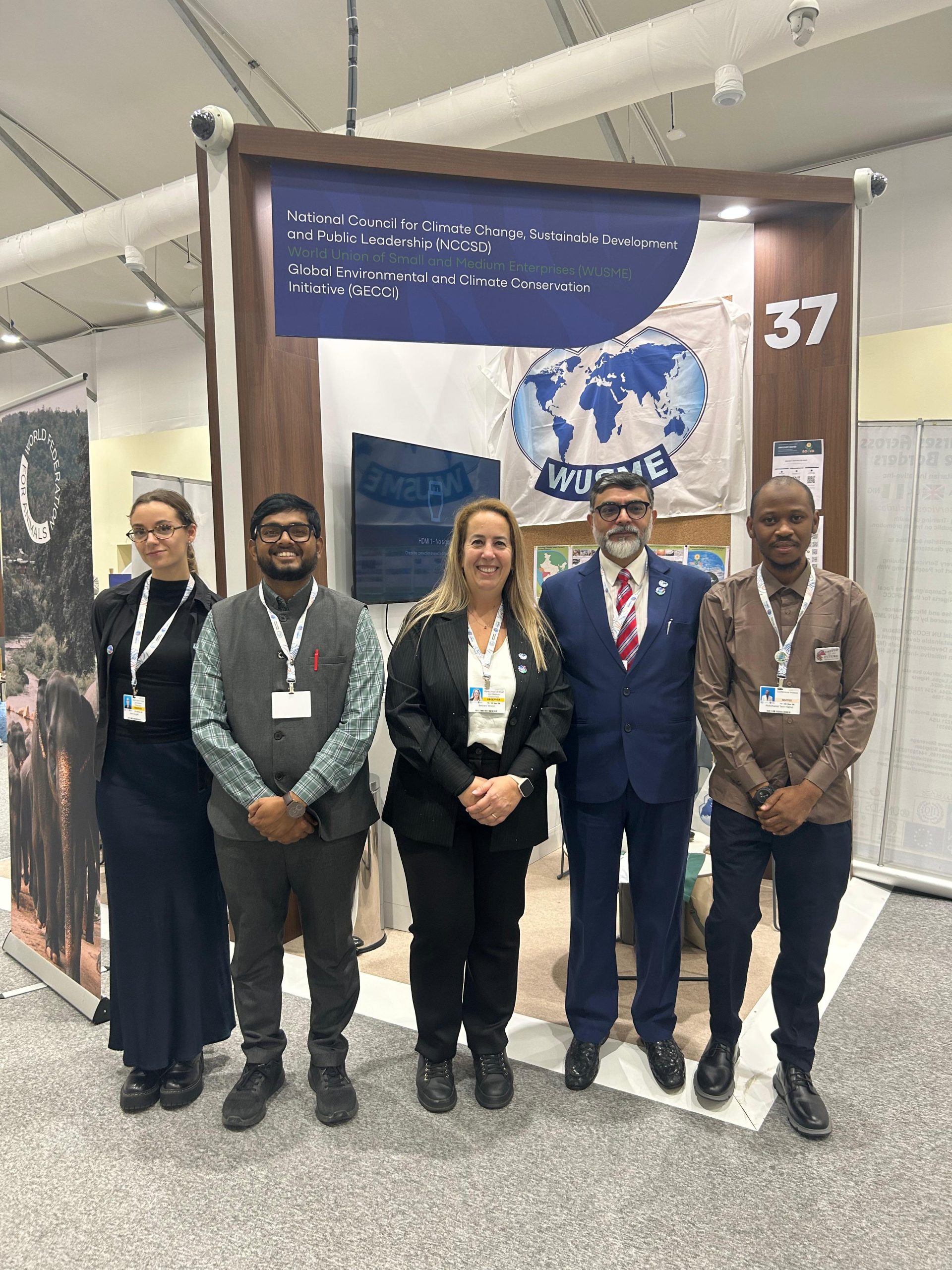 WUSME inaugurated its presence in COP31 on Monday 16 November, with the Exhibit that will be held in conjunction with the Side Event from 16th to 20th November in collaboration with the National Council for Climate Change, Sustainable Development and Public Leadership and Global Environmental and Climate Conservative Initative and revolves around Climate Actions Powered by SMEs. The Exhibit will also be a space and moment for WUSME to welcome international Delegates, share insights and discuss opportunities for collaborations.
Furthermore WUSME participated in the official COP31 Side Event today, Tuesday 17 November.
Micro, small and medium enterprises and smallholder farmers are the foundation of food security and climate resilience, yet they remain largely excluded from climate finance. That is why WUSME, together with the Landscape Alliance (CIFOR-ICRAF), Indalo Inclusive South Africa NPC and BVEK, organized the side event “From Commitments to Action” at COP31, with around 70 participants. The session was opened by WUSME President Barbara Terenzi and moderated by Robert Tippman, Chair of BVEK.
On invitation of WUSME, Ivano Assenza from FAO was invited as a speaker and noted that agrifood systems receive less than 4% of global climate finance. For agriculture, mechanism 6.4 of the Paris Agreement has no methodologies yet (1.5-2 years to develop), but projects can start now through bilateral agreements and voluntary standards, provided they ensure environmental integrity, sound governance and community consent.
Peter Minang, Director for Africa at CIFOR-ICRAF and the Landscape Alliance, explained that carbon finance alone, on a short-term basis, cannot sustain rural livelihoods: once project funding ends, activities stop. What is needed is a “tree-powered bio-economy” where carbon is only the final layer of revenue, on top of harvests, waste processing and ecosystem services. Africa grows over 75% of the world’s cocoa but captures only 6.6-9% of its value; processing biomass locally could unlock a $1 trillion opportunity. Examples include cashew shells turned into fuel and solar-dried mangoes in Mali, which cut losses from 40% to 9-10%. Getting started requires private pre-financing and public concessional finance.
Indalo Inclusive South Africa NPC with Farai Mauchaza presented the “recoverable grants” of the Nedbank Indalo Green Enterprise Fund, which let green MSMEs build a credit record and access bank loans. WUSME Board Member Vinod Kumar Wuthoo recalled that MSMEs generate about 50% of global GDP and 78% of employment, and proposed Carbon Market Facilitation Desks: help desks within business networks and chambers of commerce to support agricultural MSMEs with measurements, documentation and connections to project developers and carbon buyers.
Looking ahead to COP32, the priorities are clear national authorization rules, pre-financing, blended recoverable capital, bio-economy development and institutional aggregation.
Attachments
Related Post

WUSME Mission to China
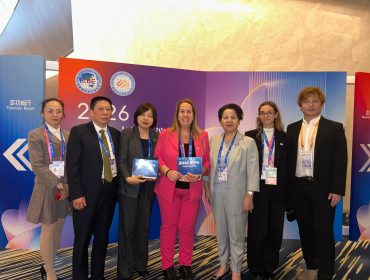
From 6 to 9 November, WUSME was in China to take part in a series of meetings and in the China International Import Expo (CIIE). On 6 Novemb...
WUSME at the National General Meeting...
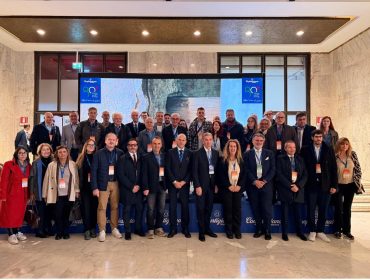
At the invitation of Confartigianato Imprese Rimini, WUSME took part in the National General Meeting of Confartigianato Imprese, held on Wed...
Southern Italy: Soaring Diesel Costs Halt...
Since mid-October, southern Italy has seen one of the largest protests in the transport sector in years. The protest began in Puglia and the...