MSMEs and the Agenda 2030
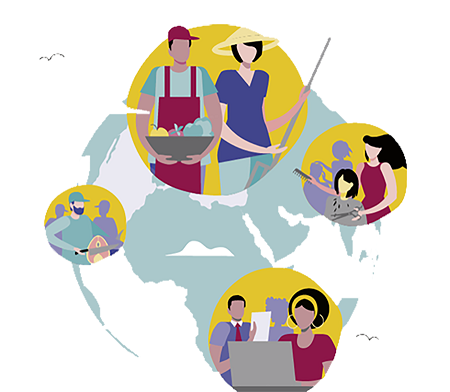
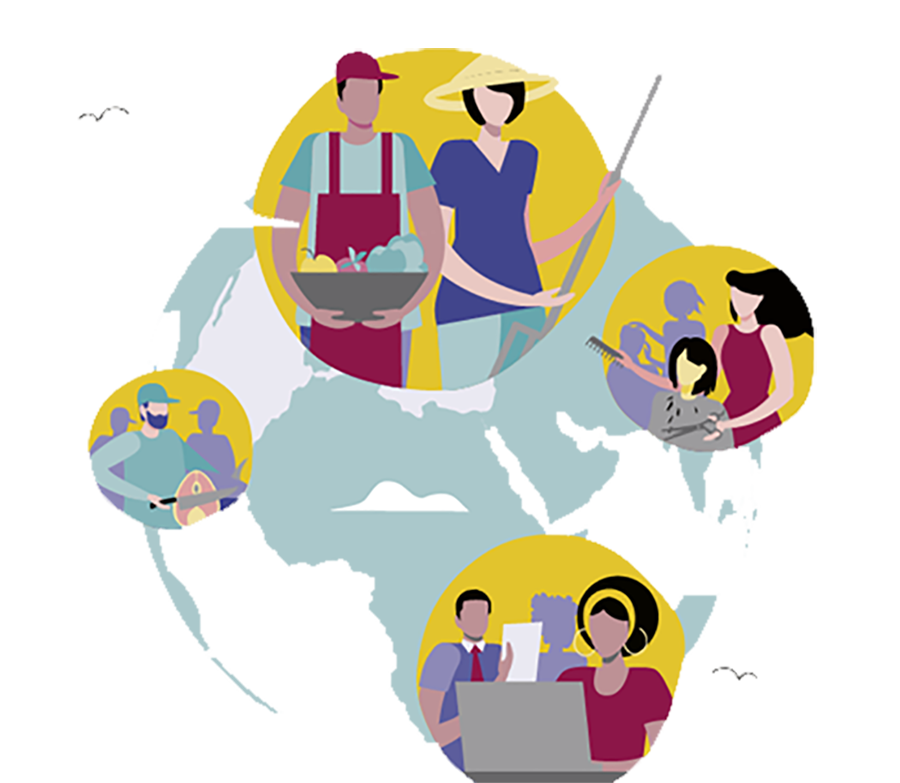
Micro-, small and medium-sized enterprises (MSMEs) contribute to achieving the 2030 Agenda for Sustainable Development and the Sustainable Development Goals (SDGs). MSMEs help reduce levels of poverty through job creation and economic growth, they are key drivers of employment, decent jobs and entrepreneurship for women, youth and groups in vulnerable situations. They are the majority of the world’s food producers and play critical roles in closing the gender gap as they ensure women’s full and effective participation in the economy and in society. Despite their significant contributions to SDGs, MSMEs have been hit the hardest by the negative socioeconomic impact of the COVID-19 pandemic. The urgent need to enhance MSME resilience has been prioritized in the General Assembly resolution A/RES/74/270 ‘Global Solidarity to fight the Coronavirus Disease (COVID-19)’ and the Secretary-General’s report ‘Shared responsibility, global solidarity: Responding to the socio-economic impacts of the COVID-19 pandemic’.
In accordance with official expressions of interest from nine developing countries, the project ‘Strengthening National Capacities for Enhancing MSME Resilience and Building Forward Better to Accelerate the Implementation of the 2030 Agenda in developing countries participating in the Belt and Road Initiative’ was launched in 2022. The project is funded by the United Nations Peace and Development Fund (PDF). It supports the implementation of integrated and inclusive policy measures that enhance MSME resilience. It builds the capacity of policymakers to design and deliver effective policy measures in a demand-driven approach, as well as to improve the capacity of MSME entrepreneurs, particularly women and youth MSME entrepreneurs, in accessing to financial resources, capturing high-value market opportunities and adopting innovative techniques. The project leverages partnerships with government counterparts, Resident Coordinators’ Offices, UN Country Teams and private sector partners and pursues opportunities to align with inter-governmental process, global and regional initiatives. It endeavors to maximize MSME contribution to shared prosperity, inclusive economic growth, sustainable production and consumption, reductions in inequality, and solidarity and cooperation among countries in Africa and Asia. The project covers nine pilot countries: Cambodia, Ethiopia, The Gambia, Kenya, Lao PDR, Madagascar, Sri Lanka, the Philippines and Zimbabwe.
More info: https://sdgs.un.org/topics/capacity-development/msmes#background
Attachments
Related Post

Smaller firms, greater risks
“Smaller firms greater risks- How Strait of Hormuz disruptions could trigger an exclusion effect for small and medium-sized enterpri...

ICSB Releases Top 10 Global Trends...
The International Council for Small Business (ICSB) has published its annual Top 10 Trends for MSMEs in 2026, authored by ICSB President &am...
The European Commission’s Annual Report on...
The European Commission has published its Annual Report on European SMEs (2025/2026) and a new report on women entrepreneurs in Europe, prov...