Southern Italy: Soaring Diesel Costs Halt Small Haulage Businesses, Putting the SME Supply Chain at Risk
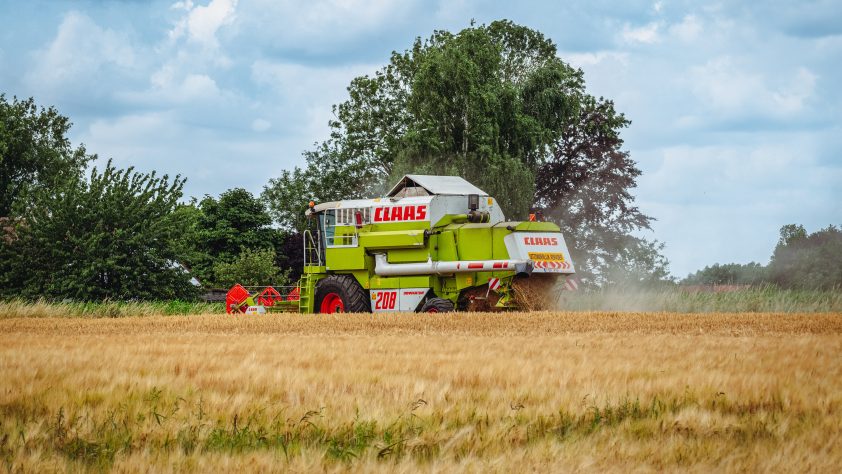
Since mid-October, southern Italy has seen one of the largest protests in the transport sector in years. The protest began in Puglia and then spread to Calabria, Sicily, Basilicata and Campania, eventually reaching the region around the capital, Lazio. At the heart of the protest are thousands of farmers and trucks drivers (from small and medium-sized enterprises).
The trigger was the price of diesel, which, according to Ministry figures, currently stands at around €2.26 per litre. The President of Conftrasporto emphasised that since the start of the conflict in Iran, diesel prices have risen by around 32 per cent. For many road haulage companies, fuel represents the largest item of expenditure, and numerous self-employed hauliers report that they are now spending up to €11,000 more per month on diesel.
Delays in the public getting the money are adding to the pressure. The industry bodies say the funds which were allocated in May to help offset the high cost of diesel have not yet got to the intended recipients. Trasportounito say that under the relevant legislation customers are to pay the hauliers a small extra when the price of diesel goes up, at least in part in the North and almost never in the South.
Blockades have disrupted roads, toll booths and ports. The mobilization has reached the commercial port of Naples, while ports in Sicily have also been blocked. The impact is being felt in daily life: shortages have been reported on the shelves of several supermarkets in several regions in Italy, and there are concerns about medicine distribution as well. The South is central to Italian agri-food production, so transport stoppages also affect farmers, retailers and small producers.
Trade associations are urging for swift action. Trasportounito is pushing for a 15% hike in road haulage rates, while other groups are calling for the release of funds that have already been earmarked.
The situation in Italy highlights just how vulnerable logistics chains—and the small businesses that keep them afloat—are to fluctuating energy costs. For SMEs in any country, this raises an important question: how can those involved in transporting, producing, and distributing goods be safeguarded when expenses rise quicker than their compensation?
Related Post


IUE Opens a New Chapter: Celebrating...
The International University of Entreprenology held its 2026 Graduation Ceremony in Las Vegas, honoring the wisdom of lived experience and w...
Smaller firms, greater risks
“Smaller firms greater risks- How Strait of Hormuz disruptions could trigger an exclusion effect for small and medium-sized enterpri...

ICSB Releases Top 10 Global Trends...
The International Council for Small Business (ICSB) has published its annual Top 10 Trends for MSMEs in 2026, authored by ICSB President &am...